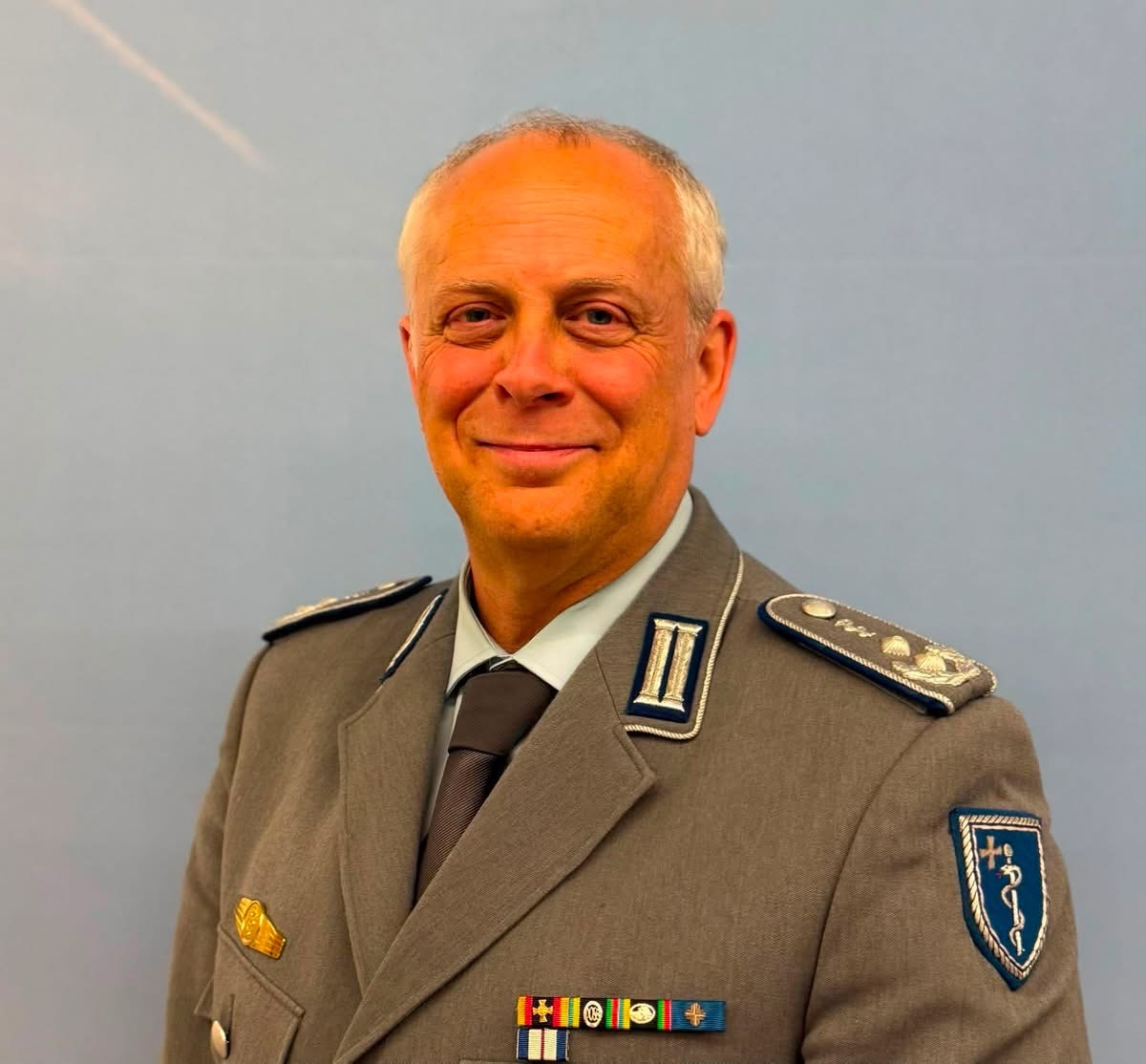
What should CIOR deliver for NATO, its member nations and the reserve community? That question guided two days of intensive workshops in Verona, where delegates and committee representatives worked across national boundaries to identify shared priorities.
Led by President Lars Bak, the Danish Presidency placed discussion and collective ownership at the centre of the meeting. NATO’s Committee on Reserves also participated, contributing to the exchange between CIOR and the Alliance.
The aim was to connect CIOR’s strategic ambitions with practical outcomes—and ensure that those responsible for delivering them helped shape the direction from the outset.
Three areas of value
The discussions identified three connected areas in which CIOR should make a difference.
For NATO, CIOR should bring the experience and perspective of reservists into timely advice, including contributions beyond the annual reporting cycle.
For member nations, CIOR should help national associations share experience and best practice that can inform discussions with defence institutions, governments and wider society.
For reserve associations and individual reservists, CIOR should strengthen access to international activities, education and professional networks.
These areas reinforce one another. Experience gained by reservists can inform national approaches, while lessons shared between nations can strengthen CIOR’s contribution to NATO.
Turning priorities into useful opportunities
Delegates identified practical priorities, including a consolidated catalogue of international activities and educational opportunities, alongside a shared collection of national best practices. A leadership development workshop programme for reserve officers was also identified as a future deliverable.
For reservists across CIOR’s member nations, the intended benefit is straightforward: clearer access to opportunities, stronger connections with colleagues abroad and a more effective route for bringing their experience into wider discussions.
Participants also highlighted the importance of better digital tools and continuity between successive presidencies to sustain this work.
Partnership and remembrance
The Italian hosts provided a setting that connected the workshops with wider military perspectives. The programme included a visit to the Italian Army’s Operational Land Forces Command at Palazzo Carli, meetings in historic Castelvecchio and a wreath-laying ceremony to honour the fallen.
CIOR thanks the Italian hosts and all participating delegations for their hospitality, commitment and contributions.
Next steps: Brussels
Building on CIOR’s existing strategic documents, the Presidency will now translate the Verona discussions into a two-year work plan for presentation at the Winter Meeting at NATO Headquarters in Brussels.
Verona established a shared direction. The next task is to turn that direction into results that matter to NATO, member nations and the people who serve in the reserve.