
International Cyber Event 2025
Join us on November 29th for the International Cyber Event 2025, hosted online by CIOR. This event is dedicated to bringing together the global cybersecurity community.
This years theme is AI and Cyber: Redefining the Battlespace
Engage with a global network of former military personnel, reserve officers, and cybersecurity professionals, all eager to exchange insights and explore strategies for strengthening civilian-military cooperation.
Whether you're a defense expert, a veteran transitioning into cyber, or someone passionate about building stronger security networks, this event is tailored to you.
Register today and be part of shaping the future of cybersecurity at this international gathering, all from the comfort of your own space.
We look forward to having you with us virtually!
Online with Microsoft Teams
29th November 2025
1200 - 1600 CET
SIGN-UP
AGENDA
| 1200 CET | Kickoff Welcome to the ICE 2025 By Hardeep Mehrotara, Chair of the CIOR Cyber Committee, and Alex Steninge Jacobsen, CEO of Seculyze and LtCdr-R, Royal Danish Navy |
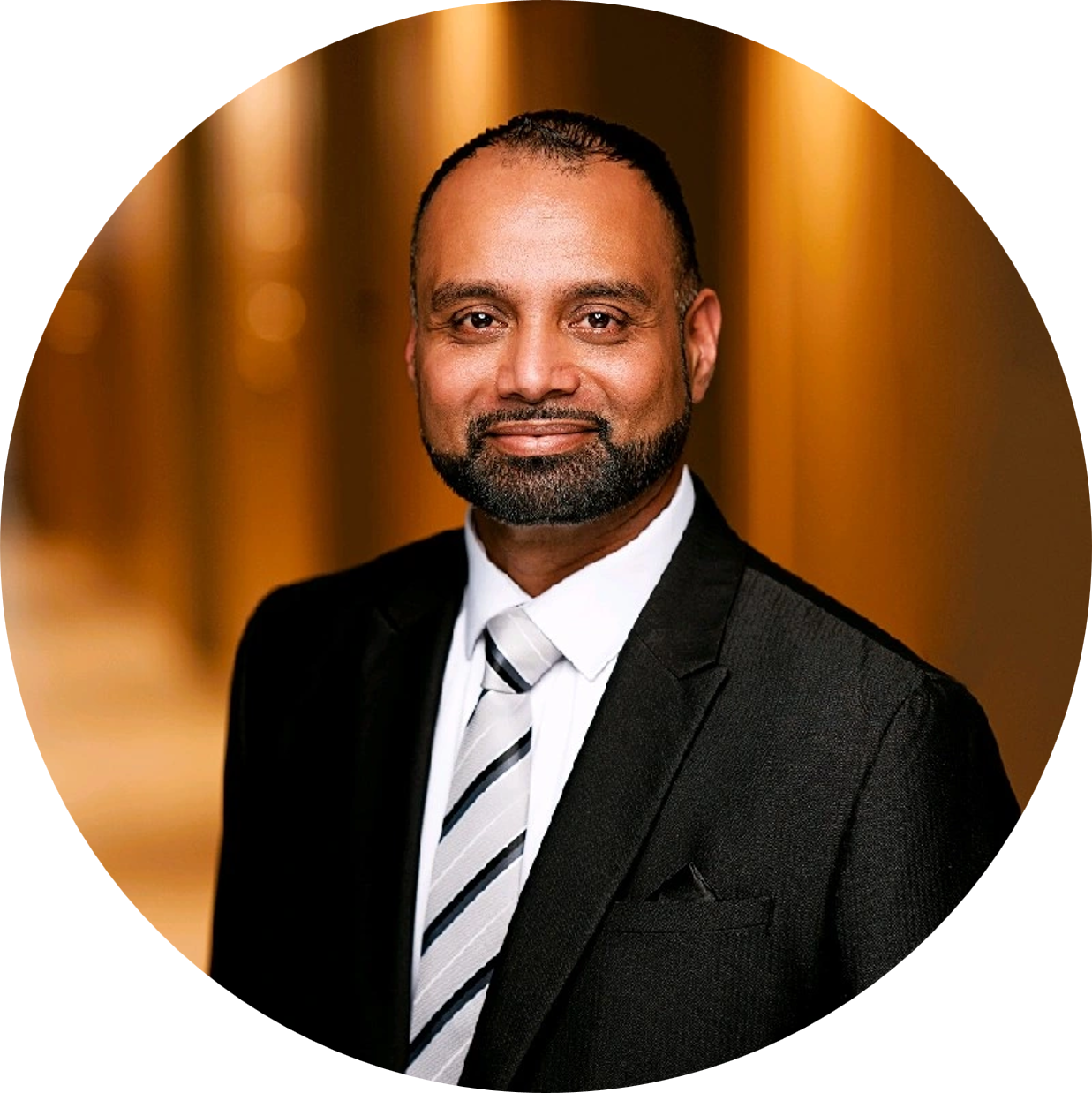 Hardeep Mehrotara |
 Alex Steninge Jacobsen |
| 1210 CET | KEYNOTE Integrated AI in Cyber Attacks: Lessons from the Ukrainian Front Serhii, CEO of one of Ukraine’s leading cyber companies, shares real-world insights from the ongoing cyberwarfare in Ukraine. Drawing on years of frontline experience, he shows how AI is being integrated into attacks: From deepfakes and social engineering to automated weaponization and malicious code with embedded AI. He ends up with his thoughts on what this means for future defence strategies. By Serhii Khariuk, Founder and CEO, Amonsul Download presentation ↓ |
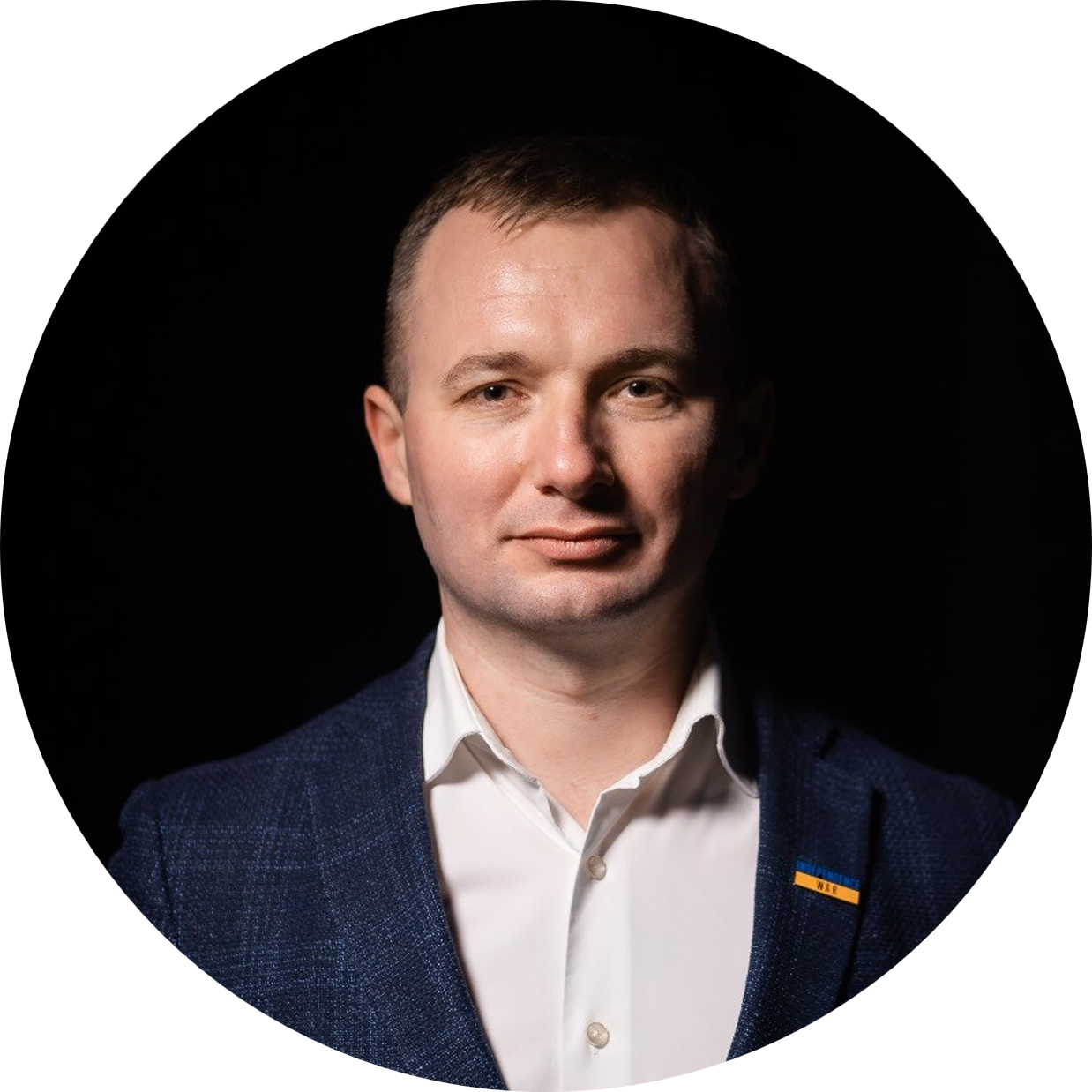 Serhii Khariuk |
|
| 1240 CET | BREAK | ||
| 1250 CET | KEYNOTE Is AI the future of cyber? In his research at Kings College London, Dr Tim Stevens focuses on the intersection of technology, politics and global security. In this session, Dr Stevens will give a unique view on how cyber is changing AI and vice versa. The focus of governments and industry is shifting from cyber to AI with political and strategic implications. Dr Stevens’ talk will provide insights into the shifting information priorities and problems of contemporary international politics. By Dr. Tim Stevens, Reader in International Security, King’s College London, and Co-Director, KCL Cyber Security Research Group. Download presentation ↓ |
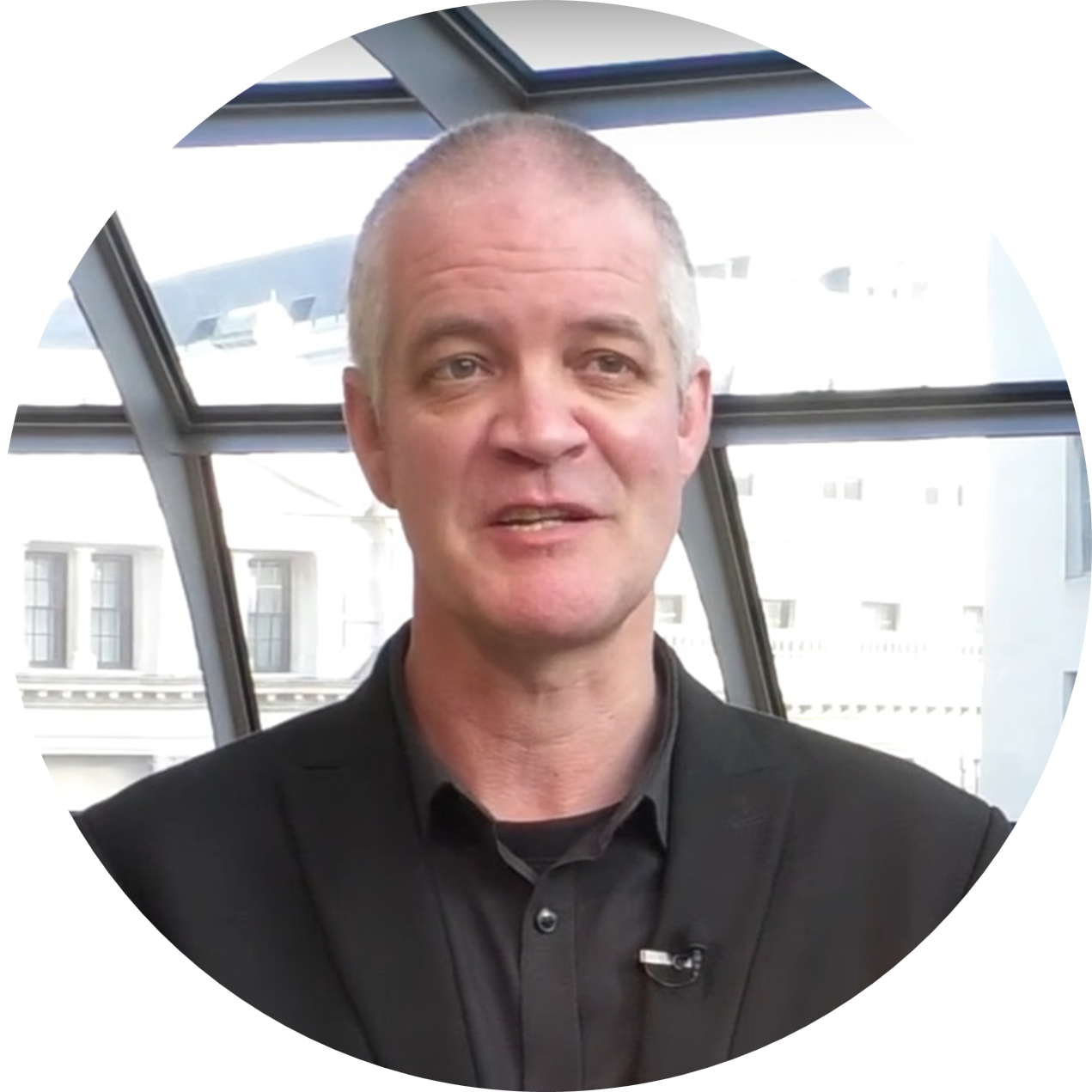 Dr. Tim Stevens |
|
| 1320 CET | BREAK | ||
| 1330 CET | Exercise Crossed Swords: Operational and Tactical Concepts with AI Integration Experimentation Fresh from the cyber exercise Crossed Swords, Mr Peter Hladky and Major John Willam Dall from the NATO CCDCOE share first-hand insights into integrating AI models in offensive and defensive cyber operations; and how new collaboration models with civilian authorities and critical infrastructure actors are shaping future cyber defence. By Mr. Peter Hladky and Major John William Dall, NATO CCDCOE Download presentation ↓ |
 John William Dall |
 Peter Hladky |
| 1400 CET | BREAK | ||
| 1410 CET | Novel solutions create novel problems - AI and the new threat vectors AI has been all the graze for the past three years, and beyond industry, armed forces have also met increasing interest towards AI and autonomous systems. However, the field is currently led by one paradigm and big tech companies, resulting in cutting-edge proprietary models. Certain machine learning and AI vulnerabilities have been well researched already, but agentic AI, more complex systems, and non-transparent approaches challenge military applicability, creating dependencies and new threat vectors. By Lauri Vasankari, Defence Research Lead, PhD (tech) candidate, MSc in AI & ML, MS in Military Sciences, Lieutenant Senior Grade (Navy, ret) Download presentation ↓ |
 Lauri Vasankari |
|
| 1440 CET | Break | ||
| 1450 CET | Malicious Uses of AI: The Future of Automated Operations This presentation will describe how threat actors are incorporating increasingly advanced AI capabilities into malicious cyber operations. We will also discuss the ways threat actors are evading guardrails to use commercial and open source tools for malicious operations. While most of the examples will focus on how state-sponsored actors are using AI to advance their geopolitical objectives, we will also look at innovative examples from cybercriminals to anticipate emerging tactics, techniques and procedures. Attendees will leave with a framework for anticipating how future AI capabilities are most likely to be exploited. By Megan Keeling, Senior Strategic Threat Intelligence Analyst, Recorded Future Download presentation ↓ |
 Megan Keeling |
|
| 1520 CET | Break | ||
| 1530 CET | Weaponizing truth: AI, Foreign Information Manipulation and Interference (FIMI) - the new Front in information warfare How is artificial intelligence changing the way disinformation spreads, and how do we fight it? Franky Saegerman (retired NATO) explores how AI tools are used to attack organizations' values, procedures and political processes and how Foreign Information Manipulation and Interference (FIMI) shapes opinions, influences conflicts, and challenges trust in information, and what defence organisations can do to respond - based on real case studies. By Franky Saegerman, recently retired from NATO Download presentation ↓ |
 Franky Saegerman |
|
| 1600 CET | ICE 2025 ends |